Welcoming a new puppy into your home is exciting, heartwarming, and sometimes overwhelming—especially when it comes to choosing the right food. During the first year of life, puppies experience rapid growth that directly impacts their bones, muscles, brain development, and immune system. That’s why selecting the right nutrition isn’t just important—it’s essential. Wet dog food for puppies has become a popular option among new pet parents because it offers balanced nutrition, high moisture content, and a soft texture that’s easier for young dogs to eat.
Unlike adult dogs, puppies require higher levels of protein, fat, essential vitamins, and minerals to support their fast development. Their small teeth and sensitive digestive systems also mean that texture and ingredient quality matter more than many owners realize. Wet puppy food is often more palatable, making it ideal for picky eaters or puppies transitioning from their mother’s milk during weaning.
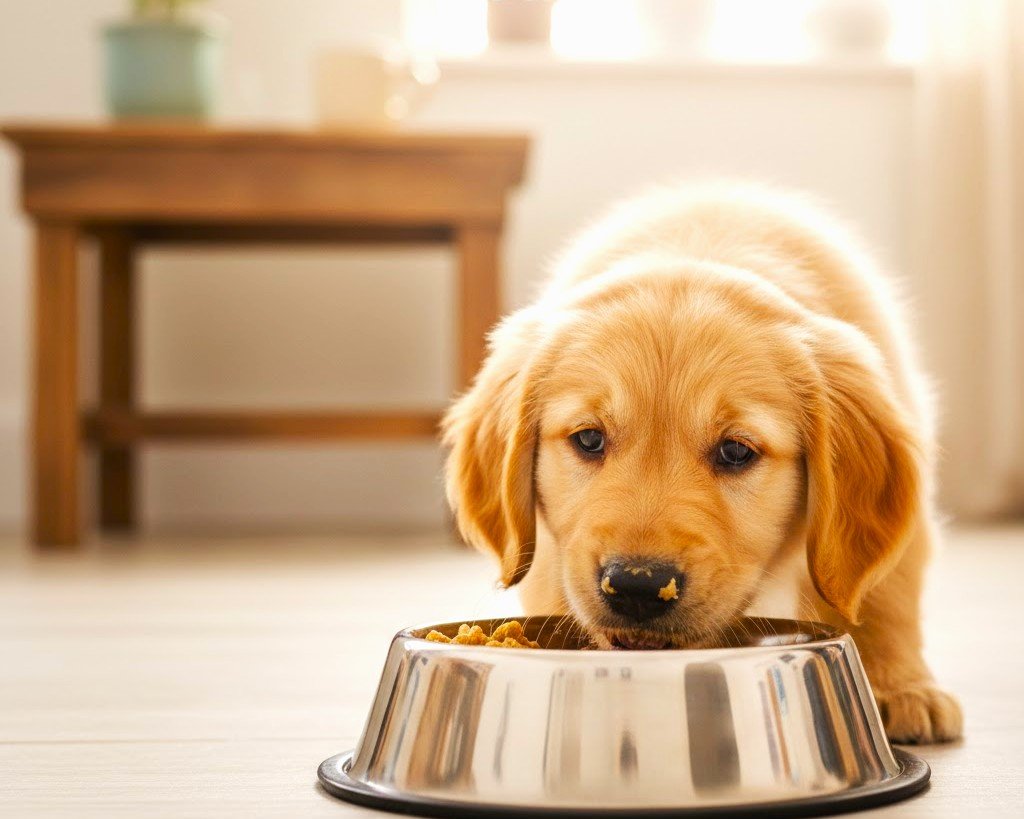
For first-time dog parents, understanding what makes puppy-specific wet food different can prevent common feeding mistakes and ensure your furry companion gets the best possible start in life. In this guide, we’ll explore why wet dog food can be an excellent choice for growing pups, what to look for on the label, and how to make confident feeding decisions that support long-term health and happiness.
Table of Contents
What Is Wet Dog Food?
Understanding what wet dog food is and how it differs from other types of pet food helps new puppy parents make confident feeding decisions. Wet dog food—often called canned dog food—is specially formulated with higher moisture content and a soft texture that makes it ideal for young, growing puppies.
Definition and How It’s Made
Wet dog food is a commercially prepared pet food that typically contains 70–80% moisture. It is usually packaged in cans, trays, or pouches and designed to provide complete and balanced nutrition for dogs at specific life stages, including puppies.
The production process begins by grinding protein sources such as chicken, beef, turkey, or fish. These are mixed with fats, vitamins, minerals, and sometimes grains or vegetables. The mixture is then blended into a loaf, stew, or pâté-style formula. After blending, the food is sealed in airtight containers and cooked under high heat and pressure through a process called retort sterilization. This ensures safety, kills harmful bacteria, and extends shelf life without the need for heavy preservatives.
Because of this cooking method, wet food retains moisture and develops a rich aroma and flavor that many puppies find irresistible.
Difference Between Wet, Dry, and Semi-Moist Food
New puppy owners often wonder how wet food compares to other types of dog food. Each format has distinct characteristics:
Wet Dog Food
- High moisture content (70–80%)
- Soft texture
- Strong aroma and flavor
- Typically higher cost per serving
- Must be refrigerated after opening
Dry Dog Food (Kibble)
- Low moisture content (around 10%)
- Crunchy texture
- Longer shelf life after opening
- More cost-effective
- May help reduce plaque buildup
Semi-Moist Food
- Moderate moisture (about 25–35%)
- Soft but chewy texture
- Often contains added sugars or artificial preservatives
- Less commonly recommended for puppies
For puppies, wet food can be especially helpful during the weaning phase or for small breeds with tiny teeth. However, many pet parents choose to combine wet and dry food to balance convenience, cost, and dental support.
Common Ingredients in Puppy Wet Food
High-quality puppy wet food is formulated to meet the nutritional needs of growing dogs. Look for these key ingredients:
Animal-Based Protein – Chicken, beef, lamb, turkey, or fish should appear as the first ingredient. Puppies need higher protein levels to support muscle growth and tissue development.
Healthy Fats – Sources like chicken fat or fish oil provide energy and essential fatty acids, including DHA for brain and vision development.
Carbohydrates – Rice, barley, sweet potatoes, or peas supply digestible energy.
Vitamins and Minerals – Calcium and phosphorus support strong bones and teeth, while added vitamins strengthen the immune system.
Water or Broth – Provides hydration and enhances flavor.
When choosing wet dog food for puppies, always check that it is labeled “complete and balanced” for growth. This ensures the formula is specifically designed to support your puppy’s critical early development stage.
Why Puppies Have Different Nutritional Needs
Puppies are not simply smaller versions of adult dogs. During their first year of life—especially in the first six months—they experience rapid physical and cognitive development that requires carefully balanced nutrition. Feeding a puppy the right diet during this critical stage lays the foundation for lifelong health, strong immunity, and proper growth. That’s why wet dog food formulated specifically for puppies is designed with different nutrient levels than adult dog food.
Rapid Growth and Muscle Development
From the moment they are weaned, puppies grow at an incredible pace. Their muscles, organs, and tissues are constantly developing, which increases their need for high-quality protein. Protein provides essential amino acids that help build lean muscle mass and repair growing tissues.
Compared to adult dogs, puppies require a higher percentage of protein in their diet to support this fast development. Without adequate protein, growth may be delayed, and overall health can suffer. Wet puppy food often includes animal-based proteins as the primary ingredient to ensure easy digestibility and optimal nutrient absorption.
Higher Energy Requirements
Puppies are full of energy—and their bodies need fuel to keep up. Because they are growing and highly active, puppies require more calories per pound of body weight than adult dogs. Healthy fats play a major role in meeting these energy demands.
Fats not only provide concentrated energy but also help absorb fat-soluble vitamins such as A, D, E, and K. Additionally, essential fatty acids support healthy skin and a shiny coat. Wet dog food for puppies typically includes balanced fat levels to meet these needs without encouraging unhealthy weight gain.
Brain and Vision Development (DHA Support)
One of the most important nutrients for puppies is DHA (docosahexaenoic acid), an omega-3 fatty acid commonly found in fish oil. DHA plays a key role in brain development and visual function during early life stages.
Research shows that puppies who receive adequate DHA may demonstrate improved learning ability and cognitive function. This is especially important during training and socialization, when mental development is at its peak. Many high-quality wet puppy foods include added DHA to support healthy brain growth.
Strong Bones and Teeth
Bone development is another major concern during puppyhood—particularly for large breed puppies, who are more prone to joint and skeletal issues if growth is not properly managed. Calcium and phosphorus must be present in the correct ratio to promote strong bones and teeth without causing developmental problems.
Too much or too little of these minerals can lead to long-term health issues. That’s why feeding a formula specifically labeled for “growth” or “puppies” is essential. Wet dog food designed for puppies contains carefully balanced mineral levels to support steady, healthy development.
Immune System Support
Puppies are still building their immune systems after weaning. Proper nutrition, including vitamins, antioxidants, and high-quality protein, helps strengthen their natural defenses against illness. A nutrient-dense wet puppy food can play a vital role in supporting immune health during this vulnerable stage.
Providing the right nutrition early in life isn’t just about growth—it’s about giving your puppy the strongest possible start toward a healthy adulthood.
Benefits of Wet Dog Food for Puppies
Choosing the right food format is just as important as selecting the right nutrients. Wet dog food offers several unique advantages for puppies, particularly during their early months of growth and development. For many new puppy parents, understanding these benefits can make feeding decisions much easier.
Easier to Chew and Digest
Puppies have small, developing teeth and sensitive gums—especially during the teething stage. The soft texture of wet dog food makes it much easier for them to chew compared to dry kibble. This is particularly helpful for small breeds or very young puppies transitioning from their mother’s milk.
In addition, wet food is often gentler on the digestive system. Because it contains higher moisture and is typically softer in consistency, it may be easier for puppies with sensitive stomachs to process and absorb nutrients efficiently.
Higher Moisture Content for Hydration
One of the biggest advantages of wet dog food is its high water content, usually around 70–80%. Proper hydration is essential for puppies, as water supports digestion, circulation, temperature regulation, and nutrient absorption.
Some puppies do not drink enough water on their own, especially when adjusting to a new home. Feeding wet food can help supplement their fluid intake and reduce the risk of dehydration, particularly in warm climates or active households.
More Appealing for Picky Eaters
Wet food tends to have a stronger aroma and richer flavor than dry food. For picky eaters or puppies with reduced appetite—such as during stress, travel, or vaccination periods—wet dog food can encourage consistent eating habits.
A puppy that enjoys its meals is more likely to consume the proper amount of nutrients needed for healthy growth. This can be especially reassuring for first-time dog owners concerned about whether their pup is eating enough.
Ideal for Weaning and Transition
Wet dog food is commonly used during the weaning phase, typically starting around three to four weeks of age. Its soft texture makes it easy to mix with puppy milk replacer, creating a smooth transition from nursing to solid food.
Even after weaning, wet food can be mixed with dry kibble to introduce different textures gradually. This approach can help puppies adapt without digestive upset.
Supports Weight Management and Portion Control
Because wet food is more filling due to its moisture content, it may help puppies feel satisfied while maintaining appropriate calorie intake. This can be beneficial in preventing overfeeding, which is a common mistake among new puppy parents.
Overall, wet dog food offers comfort, hydration, and palatability—making it a practical and nutritious option for growing puppies.
When Can Puppies Start Eating Wet Dog Food?
One of the most common questions new puppy parents ask is: When is the right time to introduce wet dog food? The answer depends on your puppy’s age, development stage, and whether they are still nursing. Understanding the proper timeline ensures a smooth transition from milk to solid food while supporting healthy growth.
The Weaning Timeline (3–8 Weeks)
Puppies typically begin the weaning process at around three to four weeks of age. At this stage, they are still nursing from their mother but start showing curiosity about solid food. Their teeth begin to emerge, and their digestive systems gradually become capable of handling more complex nutrients.
Between six to eight weeks, most puppies are fully weaned and no longer rely on their mother’s milk. This is the ideal time for wet puppy food to become a primary food source. Wet food’s soft texture makes it easier to chew and swallow during this transition period.
If you adopt a puppy at eight weeks or older—as most breeders and shelters recommend—it should already be eating solid puppy food comfortably.
How to Introduce Wet Food
Introducing wet dog food should be done gradually to avoid digestive upset. For very young puppies just beginning weaning, mix a small amount of wet puppy food with warm water or puppy milk replacer. This creates a soft, porridge-like consistency that is easy to lap up.
As your puppy becomes more comfortable, you can slowly reduce the liquid and increase the amount of solid food over several days. By the time they are fully weaned, they should be able to eat wet food on its own.
For older puppies transitioning from dry food, start by mixing a small portion of wet food into their regular kibble. Gradually increase the ratio over 5–7 days. This helps prevent diarrhea or stomach discomfort caused by sudden diet changes.
Feeding Frequency by Age
Young puppies require smaller, more frequent meals because of their fast metabolism and small stomach size.
- 8–12 weeks: 3–4 meals per day
- 3–6 months: 3 meals per day
- 6–12 months: 2 meals per day
Consistent feeding schedules help regulate digestion and establish healthy eating habits.
Introducing wet dog food at the right time—and in the right way—supports smooth weaning, steady growth, and a positive feeding experience for your new puppy.
How to Choose the Best Wet Dog Food for Puppies
With so many options on the market, choosing the best wet dog food for your puppy can feel overwhelming. However, focusing on a few key factors will help you select a formula that supports healthy growth, strong immunity, and long-term wellbeing.
Look for “Complete and Balanced” Nutrition
The most important label to check is whether the food is marked “complete and balanced” for growth or for puppies. This statement means the formula meets established nutritional standards for developing dogs and provides all essential nutrients in the correct proportions.
Avoid feeding food labeled for “adult maintenance” to puppies, as it may not contain sufficient protein, fat, or key minerals needed during rapid growth.
Check for AAFCO Approval
In the United States and many other markets, reputable brands follow guidelines set by the Association of American Feed Control Officials (AAFCO). A statement on the packaging indicating the food meets AAFCO standards for growth ensures it has been formulated to support puppies’ specific nutritional needs.
This provides reassurance that the product has undergone proper nutritional evaluation.
Prioritize High-Quality Protein
The first ingredient should always be a named animal protein such as chicken, beef, lamb, or salmon. Puppies need high-quality, digestible protein to build muscle and support tissue development.
Avoid products that list vague terms like “meat by-products” as the primary ingredient. While by-products are not always harmful, clearly identified protein sources offer greater transparency and quality assurance.
Consider Breed Size
Breed size plays a critical role in choosing the right formula. Large breed puppies, such as Labrador Retrievers or German Shepherds, require carefully controlled calcium and phosphorus levels to prevent rapid bone growth that may lead to joint issues. Small breed puppies often benefit from calorie-dense formulas that support their faster metabolism.
Many brands offer size-specific puppy wet food formulas—choosing the right one can make a significant difference in healthy development.
Review Ingredient Quality
Look for beneficial ingredients such as:
- DHA (for brain and vision development)
- Omega-3 and omega-6 fatty acids
- Digestible carbohydrates like rice or sweet potatoes
- Essential vitamins and antioxidants
Avoid excessive artificial colors, flavors, and preservatives whenever possible.
Consult Your Veterinarian
If your puppy has allergies, digestive sensitivities, or specific health concerns, consult your veterinarian before making a decision. A professional recommendation can help you choose a wet dog food tailored to your puppy’s unique needs.
By focusing on quality ingredients, proper labeling, and life-stage suitability, you can confidently select a wet dog food that gives your puppy the best possible start.
How Much Wet Food Should a Puppy Eat?
Determining the right amount of wet food to feed your puppy can be crucial for their growth and overall health. Puppies require a carefully balanced diet, and the quantity of food can vary based on factors such as age, breed, size, and energy levels. Here’s a guide to help you navigate this essential aspect of puppy care.
General Feeding Guidelines
Most wet dog food packaging includes feeding guidelines based on the puppy’s weight and age. These general recommendations provide a starting point, but individual needs can vary:
- 8–12 weeks old: Puppies at this age typically need 3–4 meals a day. If you are feeding wet food, a general rule is about 1/4 to 1/2 can per meal, depending on the product’s calorie content.
- 3–6 months old: As puppies grow, they will still require 3 meals a day. You might increase the amount to around 1/2 to 3/4 can per meal.
- 6–12 months old: At this stage, you can transition to 2 meals per day. The amount can range from 1 to 1 1/2 cans per meal, again based on the specific product.
Factors Affecting Portion Size
- Puppy Weight: Heavier puppies typically require more food. A pup’s growth rate varies widely by breed size. Larger breeds often need more calories.
- Energy Level: Active puppies may require additional calories compared to those that are less active. Take their daily activity into account when deciding portion sizes.
- Growth Rate: Monitor your puppy’s weight and adjust food amounts as necessary. If your puppy seems to be gaining weight too quickly or not growing enough, consult with your veterinarian for personalized recommendations.
- Nutritional Content: Different brands and types of wet food have varying caloric densities. Always consult the feeding guidelines on the specific wet food you choose to ensure you’re meeting your puppy’s nutritional requirements.
Monitoring Your Puppy’s Health
Regularly observe your puppy for signs of proper growth and health:
- Body Condition: You should be able to feel your puppy’s ribs without excess fat covering but not see them prominently.
- Activity Levels: Active playtime and curiosity are good signs of a healthy appetite.
- Weight Management: Regularly weigh your puppy to ensure they are gaining at a healthy pace.
Consulting Your Veterinarian
If you’re unsure about how much wet food to feed your puppy, or if there are any health concerns, consult your veterinarian. They can provide tailored guidance based on your puppy’s individual needs and growth patterns.
By following feeding guidelines and monitoring your puppy’s health, you can ensure that they receive the appropriate nutrition needed for healthy development.
Wet Food vs. Dry Food for Puppies
When it comes to choosing the best diet for your new puppy, pet owners often find themselves torn between wet food and dry food. Both options have their unique benefits and drawbacks, making a clear comparison essential for informed decision-making.
Nutritional Comparison
Nutritionally, wet food and dry food offer distinct advantages tailored to puppies’ developmental needs. Wet dog food typically contains around 70-80% moisture, which is beneficial for hydration, especially in puppies who may not drink enough water. This high moisture content can help foster better digestion and nutrient absorption. Wet food often includes higher protein levels and is more palatable, making it appealing to picky eaters or young dogs transitioning from their mother’s milk.
On the other hand, dry food, or kibble, has a lower moisture content of about 10%, but it is generally formulated to provide complete and balanced nutrition. Many high-quality dry foods contain a greater concentration of calories and essential nutrients, which can be advantageous for puppies with specific energy needs. Additionally, dry food can contribute to better dental health due to its crunchy texture, which aids in reducing plaque buildup as puppies chew.
Cost Comparison
Cost is another significant factor in determining which food option is best. Wet puppy food tends to be more expensive than dry food when compared on a per serving basis. The higher cost is often attributed to the added moisture content and the production processes involved in creating balanced, palatable wet foods.
Dry food usually provides a more economical solution for owners looking to feed their puppies without breaking the bank. Kibble generally has a longer shelf life and can be stored without refrigeration, making it convenient for busy households. However, considering the nutritional benefits of wet food during a puppy’s rapid growth phase, many owners find that the additional cost is justified, particularly for high-quality brands.
Dental Health Considerations
Dental health is a critical consideration when choosing between wet and dry food. Dry food’s crunchy texture helps scrub teeth during chewing, which can promote oral hygiene by reducing plaque and tartar buildup. Veterinary professionals often recommend kibble for maintaining good dental health, especially in breeds prone to dental issues.
Wet food, while palatable and easy to digest, may not contribute to dental care in the same way. It can lead to an increased risk of dental problems if not complemented with proper dental hygiene practices. Pet owners should regularly brush their puppy’s teeth, provide dental chews, and schedule veterinary dental cleanings to maintain optimal oral health.
Can You Combine Both?
Yes, many pet owners find success by combining both wet and dry food in their puppy’s diet. This hybrid approach can maximize the benefits of each food type while addressing individual preferences and nutritional needs. Combining wet and dry food may help with hydration, improve palatability for picky eaters, and promote dental health through the inclusion of crunchy kibble.
When creating a mixed-feeding routine, gradually introduce the new food to avoid digestive upset. Monitor your puppy’s overall health, weight, and energy levels to ensure they are receiving adequate nutrition from both sources. Consulting with your veterinarian can provide tailored guidance on achieving a balanced diet that supports your puppy’s growth and well-being.
In conclusion, both wet and dry foods offer unique benefits for puppies. Understanding their nutritional profiles, cost factors, dental health implications, and the possibilities for combining them will empower pet owners to make informed feeding choices that enhance their puppy’s health and happiness.
Common Mistakes New Puppy Parents Make
Welcoming a new puppy into your home is an exciting experience, but it also comes with responsibilities. In the midst of the joy, however, new puppy parents often make common mistakes that can negatively impact their puppy’s health and development. Here are some critical areas to be mindful of:
1. Overfeeding
One of the most prevalent mistakes new puppy owners make is overfeeding. Puppies are growing rapidly, and it can be tempting to provide more food to support that growth. However, overfeeding can lead to excessive weight gain, which poses significant health risks such as joint problems, diabetes, and heart issues later in life. Puppies have specific caloric needs that vary by age, size, and activity level.
To avoid overfeeding, it’s essential to follow the feeding guidelines provided on the puppy food packaging and consult your veterinarian for tailored advice. Divide the daily food allowance into several small meals rather than a few large ones. Monitoring your puppy’s body condition—being able to feel their ribs without excess fat but not seeing them prominently—can also help you ensure they are at a healthy weight.
2. Switching Foods Too Quickly
Another common error is switching foods too quickly. Whether it’s a change to a different brand or type of food, abrupt alterations can lead to gastrointestinal upset, resulting in diarrhea or vomiting. Puppies have sensitive digestive systems, and introducing new food gradually is critical for their comfort.
To transition to a new food, mix a small amount of the new food with the current food, gradually increasing the new food’s proportion over about 5 to 7 days. This slow introduction allows the puppy’s digestive system to adjust without negative consequences. Inconsistent feeding routines or frequently changing brands can also contribute to picky eating habits, making it challenging for you to establish a reliable feeding routine.
3. Ignoring Breed-Specific Needs
Different dog breeds have varying nutritional needs based on their size, activity levels, and propensity for certain health issues. A common mistake among new puppy parents is ignoring these breed-specific needs. For instance, large breeds require diets that promote slow and steady growth to avoid joint issues, while small breeds may need calorie-dense food to support their fast metabolism.
Researching your puppy’s breed—understanding their unique nutritional requirements and potential health risks—can ensure that you provide the right diet. Many premium dog food brands offer formulations specifically designed for various breed sizes. Consulting with your veterinarian can also provide valuable insights into the best food options for your puppy’s breed.
4. Feeding Adult Dog Food Too Early
Feeding adult dog food to your puppy is another mistake that can hinder their growth and development. Puppies have distinct nutritional requirements that differ significantly from those of adult dogs. Adult dog food may not provide adequate levels of protein, fat, vitamins, and minerals that are crucial for a puppy’s development.
Puppies should be fed a diet specially formulated for their growth stage until they reach maturity. For most breeds, this period lasts until they are about 12 months old, but larger breeds may require puppy food for even longer. Transitioning to adult food too soon can lead to nutritional deficiencies, impact growth negatively, or result in developmental issues. It’s best to select a high-quality puppy food that is specifically labeled as “complete and balanced” for growth.
Conclusion
In summary, being aware of these common mistakes can help you provide better care for your new puppy. By avoiding overfeeding, introducing new foods gradually, acknowledging breed-specific needs, and ensuring you are feeding an appropriate puppy diet, you can establish a solid foundation for your puppy’s health and well-being. With careful attention and a little patience, you will pave the way for a happy and healthy life for your furry companion.
Storage & Safety Tips for Wet Dog Food
When it comes to feeding your puppy wet dog food, proper storage and safety practices are crucial for maintaining freshness and ensuring your pet’s health. Here are essential tips to optimize storage after opening, understand how long wet food lasts in the fridge, and identify signs of spoiled food.
Proper Storage After Opening
Once you open a can or pouch of wet dog food, it’s important to store it correctly to prevent spoilage. First, always follow the manufacturer’s recommendations on the packaging for storage instructions. After opening, any remaining wet food should be transferred to an airtight container or covered tightly with plastic wrap or aluminum foil if you prefer to keep it in the original container. This minimizes exposure to air and moisture, which can lead to bacterial growth and spoilage.
Avoid leaving wet dog food out at room temperature for prolonged periods, as this can encourage the growth of harmful bacteria. If your puppy does not finish their meal, any leftover food should be discarded after two hours if it’s been left at room temperature. Remember to always use clean utensils when serving or scooping out the food to prevent cross-contamination.
How Long Wet Food Lasts in the Fridge
When stored properly in the refrigerator, opened wet dog food can typically last for 3 to 5 days. To maximize its freshness, keep the food in the coldest part of the fridge, usually at or below 40°F (4°C). If you foresee not finishing the food within this time frame, consider portioning it into smaller servings and freezing them. Most wet dog food can be frozen for several months without losing its nutritional value or palatability. Just make sure to thaw the food in the refrigerator and not at room temperature to maintain food safety.
When you reheat frozen wet food for your puppy, do so gradually and ensure it is not too hot before serving. Puppies can be sensitive to temperature, and serving food straight from the microwave may cause burns. It is prudent to let the food cool down to room temperature before offering it to your furry friend.
Signs of Spoiled Food
Even with careful storage, wet dog food can spoil. Knowing the signs of spoiled food can prevent your puppy from eating something harmful. Always check the expiry date before use; if the food is well past its expiration, it’s best to discard it regardless of its appearance.
Some common signs of spoiled wet dog food include:
- Off-putting Odor: Spoiled food often has a sour or rancid smell that differs from its original scent. If the smell is unpleasant or unusual, it’s safer to throw it away.
- Color Changes: Fresh wet dog food typically has a consistent color. If you notice any discoloration or mold on the surface, do not feed it to your puppy.
- Texture Changes: If the texture becomes excessively watery or develops a strange consistency, this could indicate spoilage. Fresh food should maintain a stable texture, be it a loaf, stew, or pâté style.
- Bloating or Distention: If the can or pouch appears swollen or distorted, it may indicate bacterial growth inside. This situation requires immediate disposal without hesitation.
In summary, proper storage of wet dog food plays a vital role in ensuring your puppy’s health and safety. By adhering to recommended storage practices, keeping track of how long your wet food lasts in the fridge, and being vigilant for signs of spoilage, you can provide your furry companion with safe, nutritious meals every time.
Frequently Asked Questions (FAQ)
Is Wet Food Better Than Dry for Puppies?
Deciding whether wet food is better than dry food for puppies often depends on individual needs and circumstances. Wet dog food typically boasts a high moisture content—about 70-80%—which can aid in hydration, especially for puppies that may not drink enough water. The soft texture makes wet food easier for young puppies to chew, and its rich aroma and flavor usually appeal to finicky eaters. Additionally, wet puppy food is formulated to meet the specific nutritional requirements essential for puppies’ growth, ensuring they receive adequate protein, fat, and essential vitamins and minerals.
On the other hand, dry food, or kibble, has its advantages. It usually contains more calories per serving and can aid in maintaining dental health due to its crunchy texture, which helps reduce plaque buildup. Many pet owners opt for a mix of both wet and dry foods to benefit from the hydrating and palatable qualities of wet food while taking advantage of the convenience and dental benefits of dry food.
Can Puppies Eat Wet Food Only?
Yes, puppies can eat wet food only, provided that the wet food is specifically formulated for their growth stage. Many high-quality brands offer wet food that meets the nutritional standards for puppies, ensuring they get the essential nutrients they require during this critical development phase. However, to maintain a well-balanced diet, it’s vital to ensure that the wet food is labeled “complete and balanced,” which indicates it meets the necessary nutritional guidelines. While feeding puppies a diet solely of wet food can provide hydration and palatability, pet owners should monitor their puppy’s growth and health closely and consult a veterinarian if they have concerns about their puppy’s diet.
Is Grain-Free Safe for Puppies?
The safety of grain-free diets for puppies is a topic of ongoing debate among pet nutritionists and veterinarians. Grain-free dog foods often substitute grains such as rice or barley with alternative carbohydrates like peas or potatoes. While many owners switch to grain-free diets believing it may benefit their dogs, recent studies have suggested potential links between grain-free diets and certain heart issues, such as dilated cardiomyopathy (DCM), particularly in large-breed dogs.
Puppies, due to their developing bodies, have specific nutritional requirements that should be carefully met. If pet owners prefer to feed their pups grain-free food, it is crucial to choose a product that meets the nutritional standards set by organizations like the Association of American Feed Control Officials (AAFCO) and consult with a veterinarian to ensure the diet is appropriate and safe for their puppy’s individual needs.
How Long Should Puppies Stay on Puppy Food?
Puppies should typically remain on a puppy-specific food until they are about 12 months old, although this can vary depending on their breed and size. Small and medium-sized breeds generally reach maturity sooner than larger breeds. As a guideline:
- Small Breeds: These puppies can transition to adult food around 9 to 12 months of age as they mature faster.
- Medium Breeds: Usually require puppy food until they are about 12 months.
- Large Breeds: These puppies may need to stay on puppy food for longer, often up to 18 months or more, to support their steady growth and ensure nutrient levels are adequate to prevent joint issues.
Switching to adult food too early can lead to nutritional deficiencies or developmental issues, so it’s best to consult with a veterinarian when considering the transition. Monitoring growth rates and body condition can help determine the right timing for switching from puppy food to adult dog food.
Final Thoughts
Choosing the right food for your puppy can feel daunting, especially with the myriad of options available. Nutrition plays a crucial role in your puppy’s growth, development, and overall health. When evaluating food choices, consider factors such as the nutritional content, texture, and ingredient quality. Understanding your puppy’s unique needs based on their age, breed, and activity level will help you make informed decisions.
Choosing What’s Best for Your Puppy
While many pet owners rely on labels and marketing, it’s essential to prioritize what is genuinely beneficial for your growing pup. Look for wet or dry food that meets the standards of being “complete and balanced.” Avoid products containing fillers or low-quality ingredients. Moreover, observe your puppy’s reaction to different foods, such as energy levels and stool consistency, which can indicate if you’ve made the right choice.
Consulting Your Veterinarian
One of the best resources available to you is your veterinarian. They can provide personalized advice based on your puppy’s specific health needs and dietary requirements. Regular consultations can help you stay informed about any nutritional adjustments or diet changes necessary as your puppy grows. If your puppy has any allergies or sensitivities, a veterinarian’s insights can lead to the selection of the most suitable food. Establishing a strong relationship with your vet will ensure your puppy gets the best possible start in life, paving the way for a healthy and happy future.