Dogs, like humans, have unique tastes and preferences. Some dogs are naturally picky eaters, turning their noses up at meals, leaving owners frustrated and worried. Picky eating can stem from a variety of factors, including health issues, past feeding habits, texture preferences, or even boredom with the same food day after day. Understanding why your dog is selective about their meals is the first step toward improving their nutrition and overall well-being.
One effective solution for picky eaters is homemade wet dog food. Unlike many commercial options, homemade meals allow you to control the quality of ingredients, cater to your dog’s taste preferences, and avoid additives or preservatives that might turn them away. By preparing meals at home, you can create a variety of flavors and textures that are more appealing to dogs who reject standard kibble.
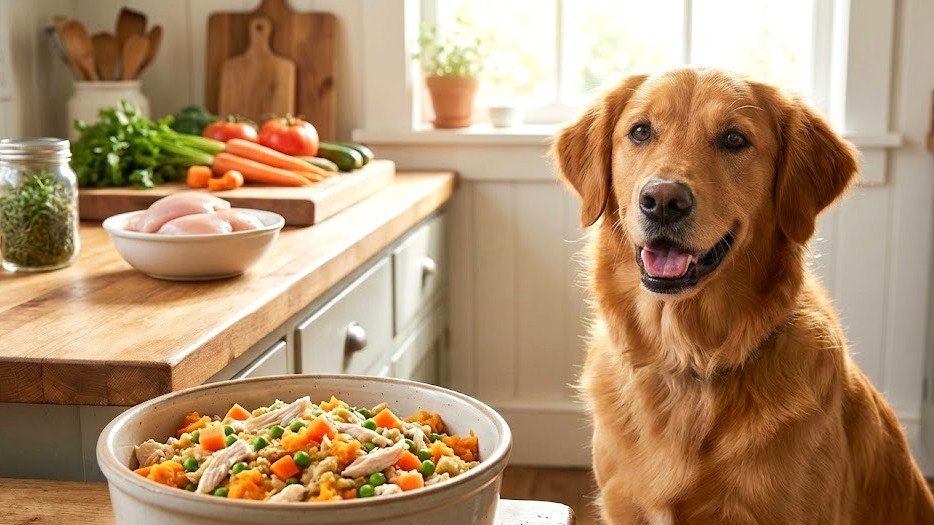
Beyond taste, homemade wet dog food offers significant health benefits. Fresh ingredients mean better nutrient retention, and you can balance proteins, carbohydrates, and fats to meet your dog’s specific needs. Many dog owners notice improved digestion, shinier coats, and increased energy when switching to homemade meals. Additionally, the right homemade diet can stimulate appetite in dogs who have become reluctant eaters, helping them maintain a healthy weight and receive the nutrition they need.
In short, homemade wet dog food is not just a way to satisfy a picky eater—it’s an opportunity to provide a healthier, tastier, and more personalized diet that supports your dog’s overall wellness.
Table of Contents
Understanding Picky Eating in Dogs
Picky eating is a common concern among dog owners, and understanding the root causes can help you address it effectively. Dogs may become selective about their food for a variety of reasons, ranging from natural preferences to underlying health issues.
Common reasons dogs are picky: One of the most frequent reasons is simple taste preference. Just like humans, dogs may favor certain flavors, textures, or smells over others. Dogs may also reject food that is too dry, too mushy, or unfamiliar. Past feeding habits can also play a role; for example, dogs that have been offered table scraps or treats in place of meals may develop selective eating behaviors. Additionally, stress, changes in the environment, or boredom with the same diet can lead to pickiness. Some dogs may even associate mealtime with discomfort, such as digestive upset, making them hesitant to eat.
Signs your dog is a picky eater: Recognizing the signs early can help you adjust your dog’s diet before it affects their health. Common signs include leaving food uneaten for long periods, nibbling at food without finishing, consistently rejecting certain types of food, or showing excitement for treats but not regular meals. Picky eaters may also exhibit slower eating habits or be highly selective, eating only certain ingredients in a mixed meal. Observing your dog’s patterns over several days can give you insight into their preferences and possible dietary triggers.
Health considerations before changing diet: Before introducing homemade wet food or altering your dog’s meals, it’s important to consider their health. Dogs with dental problems, gastrointestinal issues, or food allergies may reject food for reasons beyond taste. Sudden dietary changes can also lead to digestive upset, including diarrhea or vomiting. Consulting a veterinarian is recommended to rule out medical causes for picky eating and to ensure your dog’s nutritional needs are met. A vet can guide you on the appropriate balance of proteins, fats, carbohydrates, and supplements, especially if you plan to switch to homemade meals.
By understanding the reasons behind picky eating and recognizing the signs early, you can make informed choices to improve your dog’s appetite, overall health, and mealtime enjoyment. Addressing pickiness thoughtfully ensures your dog receives the nutrition they need while enjoying every meal.
Nutritional Requirements for Dogs
When preparing homemade wet dog food for picky eaters, understanding your dog’s nutritional needs is essential. Dogs require a balanced diet that provides the right amounts of protein, fats, carbohydrates, vitamins, and minerals to support overall health, energy, and growth.
Proteins: Protein is the foundation of a healthy dog diet, supporting muscle development, tissue repair, and immune function. High-quality sources include chicken, turkey, beef, fish, and eggs. For picky eaters, using lean meats and varying protein sources can help make meals more appealing while meeting their dietary needs.
Fats: Healthy fats are vital for energy, coat health, and brain function. Ingredients like fish oil, chicken fat, or flaxseed oil provide essential fatty acids, including omega-3 and omega-6, which help maintain a shiny coat and reduce inflammation. Fats also enhance flavor and aroma, which can entice a picky dog to eat.
Carbohydrates: Carbs provide energy and fiber for healthy digestion. Dog-safe grains like rice, oats, and quinoa, as well as vegetables like sweet potatoes and peas, are excellent sources. Including a variety of textures can make meals more enticing for dogs who are selective about what they eat.
Vitamins and Minerals: Essential nutrients such as calcium, phosphorus, potassium, and vitamins A, D, and E are crucial for strong bones, immune function, and overall health. Homemade wet dog food allows you to incorporate nutrient-rich vegetables, fruits, and safe supplements to meet these requirements. However, it is important to ensure the balance is correct, as deficiencies or excesses can harm your dog.
Hydration: Wet dog food naturally contains more water than dry kibble, helping keep dogs hydrated. Adequate hydration supports kidney function, digestion, and overall wellness, which is particularly beneficial for picky eaters who may drink less water on their own.
Balanced Portions: Before making homemade meals, consult your veterinarian to determine the appropriate portion sizes and nutrient balance for your dog’s age, breed, and activity level. This ensures that your picky eater receives complete nutrition without overeating or missing vital nutrients.
By understanding and meeting your dog’s nutritional requirements, you can create homemade wet meals that are not only appealing to picky eaters but also support their long-term health, energy, and vitality. Properly balanced meals help prevent deficiencies, improve appetite, and promote overall well-being.
Ingredients for Homemade Wet Dog Food
Choosing the right ingredients is the key to creating homemade wet dog food that is both nutritious and appealing to picky eaters. By selecting high-quality, dog-safe ingredients, you can ensure your dog receives balanced nutrition while enjoying every meal.
Dog-Safe Meats: Protein is essential for your dog’s muscles, energy, and overall health. Common options include chicken, turkey, beef, and fish. Lean cuts are ideal to prevent excessive fat intake, and variety helps keep meals interesting. For picky eaters, consider using shredded or finely chopped meats, as the texture can make food more palatable. Cooking meats thoroughly and avoiding seasoning ensures they are safe and easily digestible.
Vegetables and Fruits: Vegetables provide essential vitamins, minerals, and fiber. Dog-friendly options include carrots, peas, green beans, pumpkin, and sweet potatoes. Fruits such as blueberries, apples (without seeds), and bananas can be used in moderation as natural flavor enhancers. Vegetables and fruits not only improve nutrition but also add natural sweetness and texture, making meals more enticing for picky dogs.
Grains and Legumes: While some dogs thrive on grain-free diets, small amounts of dog-safe grains like rice, oats, or quinoa can provide energy and fiber. Legumes such as lentils and peas also add nutrients and help create a thick, appealing texture for wet food. For picky eaters, mixing grains with meats and vegetables can make the dish more flavorful and satisfying.
Flavor Enhancers: Many picky dogs respond well to added flavors. Low-sodium chicken or beef broth, a small amount of yogurt, or natural herbs like parsley can improve aroma and taste without adding harmful ingredients. Avoid onions, garlic, chocolate, and artificial additives, as these can be toxic to dogs.
Supplements: Depending on your dog’s health needs, you may consider adding supplements such as fish oil for omega-3 fatty acids, calcium for strong bones, or probiotics for digestion. Always consult a veterinarian before adding supplements to ensure safety and correct dosage.
By carefully selecting and combining these ingredients, you can create homemade wet dog food that is flavorful, nutritious, and appealing to even the pickiest eaters. Offering variety in proteins, textures, and flavors not only satisfies your dog’s taste buds but also supports their long-term health and well-being.
Tips to Make Picky Dogs Eat
Even with nutritious homemade wet dog food, some dogs may remain hesitant or selective about eating. Fortunately, there are several strategies you can use to make meals more appealing and encourage your picky eater to enjoy every bite.
Mix Flavors and Textures: Variety is key when dealing with picky dogs. Mixing different protein sources, vegetables, and grains in one meal can stimulate your dog’s senses. For example, combining shredded chicken with mashed sweet potato or adding a small amount of fish can make food more enticing. Varying textures—such as soft chunks, purees, or slightly firm pieces—also helps keep mealtime interesting.
Gradual Diet Transition: Sudden changes in diet can cause reluctance or digestive upset. Introduce homemade wet food gradually by mixing it with your dog’s current food over several days. Start with a small amount of the new food and slowly increase the proportion until your dog fully accepts the homemade meals. This gradual approach reduces stress and makes your dog more likely to enjoy the new flavors.
Use Toppers and Broths: Enhancing the aroma and taste of meals can entice picky eaters. Adding a small amount of low-sodium chicken or beef broth, plain yogurt, or a sprinkle of finely chopped parsley can make the food more appetizing. Toppers like shredded cooked meat or a dash of healthy fats, such as fish oil, can also encourage reluctant dogs to eat.
Maintain a Routine: Dogs thrive on consistency. Serving meals at the same times each day and removing uneaten food after 15–20 minutes helps establish healthy eating habits. Avoid leaving food out all day, as this may reinforce picky behavior.
Observe and Adapt: Pay attention to your dog’s preferences. Some dogs prefer warmer food, while others enjoy chilled meals. Adjusting temperature, portion size, or ingredient combinations based on your dog’s reactions can improve acceptance.
By combining these strategies, you can increase the likelihood that your picky eater will enjoy homemade wet dog food. Patience, experimentation, and attention to your dog’s preferences are key. With time and creativity, mealtime can become a positive, enjoyable experience that supports your dog’s health and happiness.
Easy Homemade Wet Dog Food Recipes
Creating homemade wet dog food doesn’t have to be complicated. These simple recipes use dog-safe ingredients, balanced nutrition, and flavors that picky eaters usually enjoy. Each recipe can be customized slightly to suit your dog’s preferences or dietary needs.
Recipe 1: Chicken & Veggie Stew
Ingredients:
- 1 cup cooked, shredded chicken breast
- ½ cup carrots, chopped
- ½ cup green beans, chopped
- ½ cup pumpkin puree
- 1 cup low-sodium chicken broth
Instructions:
- In a pot, simmer carrots and green beans until soft.
- Add shredded chicken and pumpkin puree.
- Pour in chicken broth and cook for another 5–7 minutes.
- Allow to cool slightly before serving.
Why picky dogs love it: The aroma of chicken combined with soft vegetables makes it highly appealing.
Recipe 2: Beef and Brown Rice Casserole
Ingredients:
- 1 cup cooked lean ground beef
- ½ cup cooked brown rice
- ½ cup peas
- ½ cup sweet potato, mashed
- 1 teaspoon fish oil (optional)
Instructions:
- Mix all ingredients in a bowl until well combined.
- Serve warm or portion into containers for storage.
Health benefit: Provides protein, fiber, and healthy carbs for energy and digestion.
Recipe 3: Fish & Sweet Potato Mash
Ingredients:
- 1 cup cooked salmon (bones removed)
- 1 cup mashed sweet potatoes
- ½ cup carrots, steamed and chopped
- 1 teaspoon parsley (optional)
Instructions:
- Combine all ingredients in a mixing bowl.
- Mash together until smooth or slightly chunky for texture.
- Serve at room temperature.
Bonus: Omega-3 fatty acids from salmon support a shiny coat and joint health.
Recipe 4: Turkey & Pumpkin Delight

Ingredients:
- 1 cup cooked ground turkey
- ½ cup pumpkin puree
- ½ cup zucchini, chopped
- 1 tablespoon plain yogurt
Instructions:
- Cook the turkey thoroughly and set it aside.
- Steam zucchini until soft and mix with pumpkin puree.
- Combine all ingredients and add yogurt before serving.
Why picky dogs enjoy it: Creamy pumpkin and yogurt make it smooth and flavorful.
Recipe 5: Homemade Liver Pâté
Ingredients:
- ½ cup chicken liver, cooked
- ½ cup cooked carrots
- 1 teaspoon olive oil
Instructions:
- Blend all ingredients until smooth.
- Serve in small portions or use as a topping to entice picky eaters.
Tip: Liver is highly aromatic and often irresistible to dogs.
These recipes are flexible, easy to make, and perfect for enticing picky eaters while providing balanced nutrition. You can rotate these meals or mix ingredients to keep your dog excited about mealtime.
Portioning and Storage
Proper portioning and storage are essential when preparing homemade wet dog food, especially for picky eaters. Ensuring the right amount of food per meal prevents overeating, maintains a healthy weight, and keeps your dog’s diet balanced. Storage practices help preserve freshness, flavor, and nutritional value.
Determining Portion Sizes: The ideal portion depends on your dog’s size, age, activity level, and health condition. Puppies and active dogs typically require more calories, while senior or less active dogs need smaller portions. A general guideline is to feed about 2–3% of your dog’s body weight per day, divided into two meals for adults. For picky eaters, serving smaller portions more frequently can encourage eating without overwhelming them. Always monitor your dog’s weight and adjust portions as needed.
Meal Frequency: Adult dogs generally thrive on two meals per day, while puppies may require three to four smaller meals. Feeding on a schedule helps picky dogs develop a routine and associate mealtime with consistency and predictability, which can increase appetite and reduce selective eating behaviors.
Storage Tips: Homemade wet dog food is perishable, so proper storage is crucial. Store cooked meals in airtight containers in the refrigerator for up to 3–4 days. For longer storage, portion meals into freezer-safe containers or bags and freeze for up to 2–3 months. Label each container with the date and contents to ensure freshness.
Serving and Reheating: Serve meals at room temperature or slightly warmed to enhance aroma and appeal. Avoid microwaving directly in plastic containers, as this can leach harmful chemicals. Instead, use a microwave-safe bowl or gently warm food on the stovetop.
Portioning for Picky Eaters: For picky dogs, dividing the daily portion into smaller servings can prevent food fatigue and encourage them to eat. You can also mix in small amounts of favorite toppers or broths to entice them further.
By following these portioning and storage guidelines, you can keep homemade wet dog food fresh, safe, and appealing for picky eaters. Proper planning ensures your dog receives balanced nutrition while making mealtime enjoyable, stress-free, and consistent.
Troubleshooting Feeding Issues
Even with the best homemade wet dog food, some dogs may refuse to eat, develop digestive issues, or react poorly to certain ingredients. Understanding how to troubleshoot these problems can help you ensure your picky eater stays healthy, happy, and well-nourished.
Refusal to Eat: If your dog consistently refuses food, first check for any changes in their environment or routine that could cause stress. Dogs may also reject meals that are too cold, too hot, or have a texture they dislike. Warming the food slightly or mixing in a favorite topper, such as a small amount of shredded meat or low-sodium broth, can make it more appealing. Gradual introduction of new recipes alongside familiar food often encourages reluctant dogs to eat.
Digestive Upset: Homemade meals may sometimes cause diarrhea, vomiting, or gas, especially if introduced too quickly. To prevent this, introduce new foods gradually over 5–7 days, starting with a small portion mixed with the previous diet. Avoid sudden changes in protein sources, and ensure all ingredients are dog-safe. If digestive problems persist, consult a veterinarian, as this could indicate an underlying intolerance or allergy.
Food Allergies or Sensitivities: Dogs can develop allergies to common ingredients like beef, chicken, or grains. Signs include itching, skin rashes, vomiting, or diarrhea. If you suspect an allergy, try an elimination diet by feeding one protein and one carbohydrate source for several weeks while monitoring symptoms. Always consult your veterinarian before starting an elimination diet to ensure your dog receives complete nutrition.
Overcoming Picky Behavior: For dogs that eat only specific foods, try rotating proteins, textures, and flavors gradually to expand their preferences. Using interactive feeding tools, such as puzzle feeders, can also make mealtime more engaging and encourage reluctant eaters to try new foods.
When to Seek Veterinary Advice: Persistent refusal to eat, unexplained weight loss, or signs of illness should be evaluated by a veterinarian. Underlying health issues like dental problems, gastrointestinal disorders, or metabolic conditions can affect appetite and may require medical attention.
By recognizing common feeding issues and addressing them thoughtfully, you can help your picky eater maintain a healthy diet and enjoy mealtime. Patience, observation, and gradual adjustments are key to solving feeding challenges while supporting your dog’s overall well-being.
Frequently Asked Questions (FAQs)
Creating homemade wet dog food for picky eaters raises many questions among dog owners. This FAQ section addresses common concerns to help you feed your dog safely and effectively.
1. Can I give my dog human food?
Yes, but only dog-safe human foods should be used. Meats like chicken, turkey, beef, and fish are safe when cooked and unseasoned. Vegetables like carrots, peas, sweet potatoes, and pumpkin are also suitable. Avoid toxic foods such as chocolate, onions, garlic, grapes, raisins, and foods high in salt, sugar, or artificial additives.
2. How often should I make homemade wet food?
You can prepare homemade wet dog food in batches to last several days. Refrigerated food typically stays fresh for 3–4 days, while freezing portions allows storage for up to 2–3 months. Feeding twice a day for adults and three to four times a day for puppies is recommended. Smaller, frequent meals can also help picky eaters.
3. Are homemade meals better than commercial wet dog food?
Homemade meals allow you to control ingredients, quality, and portion sizes. This can result in fresher, more nutritious food, especially for dogs with allergies or sensitivities. However, it requires careful planning to ensure balanced nutrition. Some commercial foods are also well-formulated, so a combination approach may work for certain dogs.
4. How do I ensure my dog gets all necessary nutrients?
Use a variety of protein sources, vegetables, grains, and safe fats. Adding supplements like fish oil, calcium, or probiotics can help meet specific nutritional needs. Consulting a veterinarian ensures your dog’s diet is balanced, especially if you feed homemade meals long-term.
5. What if my picky eater still refuses food?
Try warming meals slightly, adding a flavorful broth, or mixing in a small amount of favorite proteins. Rotating textures and flavors gradually can also improve acceptance. If your dog continues to refuse meals or loses weight, consult a veterinarian to rule out underlying health issues.
By addressing these frequently asked questions, dog owners can confidently prepare and serve homemade wet dog food. Understanding safe ingredients, feeding schedules, and strategies for picky eaters ensures your dog enjoys nutritious, tasty meals while maintaining overall health.
Conclusion
Feeding a picky dog can be challenging, but homemade wet dog food offers a practical and nutritious solution. By preparing meals at home, you can control ingredients, flavors, and textures to suit your dog’s preferences while ensuring balanced nutrition. Understanding why dogs are picky, recognizing the signs, and addressing health considerations are the first steps toward creating meals your dog will enjoy.
Homemade wet dog food provides several key benefits. It allows for fresh, high-quality ingredients, free from preservatives and artificial additives often found in commercial foods. You can tailor each recipe to your dog’s specific needs, whether they require higher protein, extra fiber, or gentle ingredients for a sensitive stomach. This flexibility not only encourages picky eaters to eat but also supports overall health, improved digestion, and a shinier coat.
In addition, feeding homemade meals can be an enjoyable bonding experience. Preparing meals for your dog demonstrates care and attention, and dogs often respond positively to the smell and taste of food made specifically for them. Rotating recipes, experimenting with textures, and adding safe flavor enhancers can keep mealtime exciting, even for the most selective eaters.
Proper portioning, storage, and gradual dietary transitions are essential for maintaining freshness and preventing digestive issues. Paying attention to your dog’s reactions, monitoring weight, and consulting with a veterinarian ensures that your homemade meals remain safe, balanced, and beneficial.
Finally, patience and consistency are crucial when working with picky eaters. Not every recipe will be an immediate hit, but gradual introduction, creativity, and observation can turn reluctant eaters into enthusiastic diners. Homemade wet dog food is more than just a meal—it’s a way to promote your dog’s health, happiness, and overall well-being.
By following the tips, recipes, and guidelines in this guide, dog owners can confidently prepare meals that satisfy even the most selective palates. Homemade wet dog food is an effective, rewarding, and healthy choice for any dog, providing nutrition, flavor, and variety while strengthening the bond between you and your furry friend.